
Understanding Hit Frequency So You Can Read Slot Variance Like an Operator
How Casino Bonus Rounds Work
September 17, 2026How To Get Better At Small Talk: 5 Tips From Communication Pros
September 17, 2026Understanding Hit Frequency So You Can Read Slot Variance Like an Operator
Hit frequency is the rate at which a slot machine returns any payout, however small, over a defined number of spins. It is not the same as how much you win, only how often the reels stop on a paying combination. On a typical session you might see a return on one in every eight or ten spins, and that rhythm shapes how a bankroll feels hour by hour. When you sit down at a pub machine or a casino terminal, that number is already baked into the maths, and the only real question is whether the pace suits your play style.
What Hit Frequency Actually Measures On The Floor
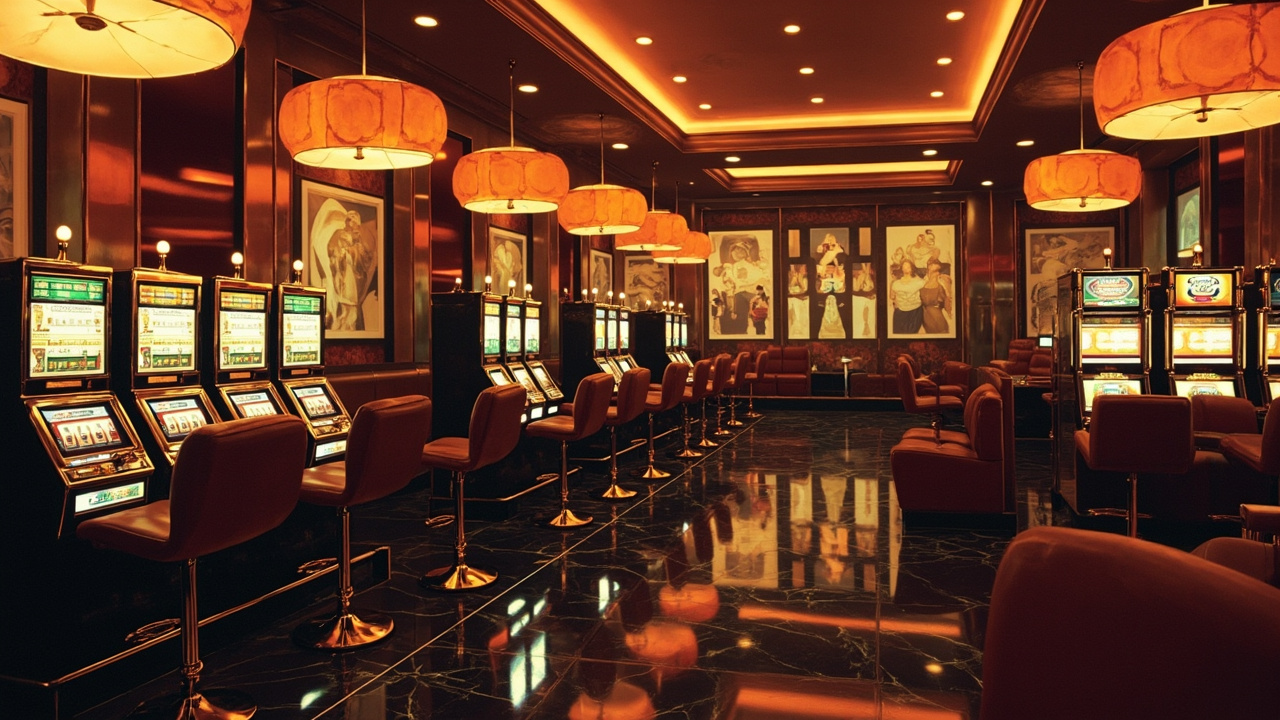
Hit frequency counts the percentage of spins that produce any win, including the tiny returns that barely cover a line bet. A machine set to a twenty-five percent hit rate will pay out roughly one in four spins, but most of those payouts will be smaller than the coin in. It is a pacing metric, not a profitability metric, and it sits alongside return to player and volatility to tell the full story. When I helped open a property in Macau and later walked a floor in Sydney, I learned that operators tune hit frequency to match the crowd they want in the chair. A higher hit rate keeps the screen busy and the mood up, which is exactly what a busy as Saturday arvo crowd responds to, while a lower rate suits players who want longer dry spells between bigger moments.
You can see the effect in everyday play without needing a spreadsheet. A mate of mine ran a twenty-dollar session on a mid-variance pokies machine and logged thirty-two spins before a meaningful hit, then watched the balance tick down on a string of near-misses that still counted as active play. Another time I watched a floor manager adjust a bank of machines after a trade area shift, moving a cluster toward a steadier hit pattern because the regulars wanted a slower, more measured session rather than a rapid churn. Those are the real-world signals hit frequency sends, and they matter more than any marketing line about big wins.
If you are comparing machines on a site like royalreelsfree10.com you will notice the advertised hit rates sit alongside volatility labels, and that pairing is what actually tells you how a session will feel. A high hit rate with low volatility feels steady and forgiving, while the same hit rate paired with high volatility can still leave you waiting through long gaps between larger payouts. The number alone never tells you how much you will keep, only how often the machine talks back.
How Hit Frequency Connects To Player Needs
Hit frequency is useful because it helps you match a machine to the kind of session you actually want. If you are after a longer, steadier run where the balance ebbs and flows without sharp drops, a higher hit rate with moderate volatility usually feels more comfortable. If you are willing to tolerate dry stretches for the chance of a larger payout, a lower hit rate with higher volatility is the trade-off, and it is a trade-off that only makes sense when you have set a loss limit and a time limit before you start. Australia has roughly twenty percent of the world’s poker machines despite having less than zero point four percent of the world’s population, and that density means you can find a wide spread of hit patterns on a single floor, so choosing by feel rather than by headline is the practical move.
I have sat beside players who treated a high hit rate as a sign they were winning, when in reality the machine was just paying small amounts often enough to keep them seated. The reverse happens too, where a player walks away from a lower-hit machine after twenty minutes and assumes it is broken, when the maths simply calls for more spins to see the bigger payouts arrive. Neither reaction is wrong in the moment, but both show why hit frequency needs to be read alongside your own bankroll plan and your tolerance for waiting.
Two short observations from the floor make this concrete. A regular in a Sydney club told me he preferred a machine that paid back every few spins because it let him stretch a twenty dollar note into a proper arvo session without constant rebuying. Another player, on a different machine with a lower hit rate, watched a long run of non-pays and still stayed because the occasional larger win, when it came, covered the earlier dry spell. Those are the human equivalents of the same number on a spec sheet, and they show why hit frequency is a pacing tool first and a winning tool second.
If you want a practical way to use the idea, treat hit frequency as a filter for session length rather than a promise of return. Pick a machine whose rhythm fits the time you have, set a hard stop for losses and a hard stop for wins, and let the machine’s pace do its job without chasing. On an exchange, you can back or lay like a bookmaker yourself, and that same idea of taking a position and respecting the odds applies here too: you are choosing a rhythm, not buying an outcome.
The smartest read I ever heard on this came from Samuel Harris, Independent iGaming Expert, Blue Mountains Interactive, who said hit frequency is the metric that tells you how a machine behaves between the big moments, not during them. Alice Baker, Head of Operator Partnerships, Ironbark Compliance Advisory, added that players who understand hit frequency tend to manage their time better because they stop mistaking frequent small pays for a winning edge. Sienna Bennett, Sports Betting Analyst, Gold Coast Gaming Network, noted that the same discipline shows up in sports betting, where pacing and variance management matter more than any single result.
What is hit frequency in slots, then, is a measure of how often a machine pays anything at all, and it is best used to choose a session rhythm that suits your bankroll and your patience. Read it alongside volatility, set your limits before you spin, and treat the number as a guide to how the machine will feel rather than a forecast of what it will pay.
