
The Principles of Pai Gow Poker Explained
Конфиденциальность вдобавок пользовательский контроль на употреблении олимпбет кз скачать на андроид онлайн-казино
September 10, 2026Visual Ballistics at the Roulette Table: What the Numbers Actually Mean
September 10, 2026The Principles of Pai Gow Poker Explained
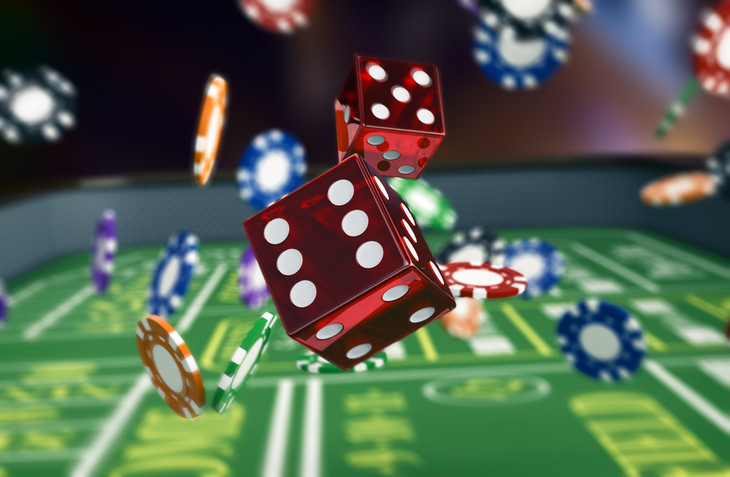
Pai Gow Poker merges the tactical complexity of conventional poker with the leisurely speed of a table game. A player receives seven cards and must organize them into two separate hands—one with five cards and one with two. The goal is to outplay both corresponding dealer hands. At Imperial Wins Casino, the game adheres to the standard Western rules applied in most online casinos, with a joker, house way setting, and a five percent commission on winning bets.
The Essentials of Pai Gow Poker
Pai Gow Poker utilizes a normal 52-card deck plus a solitary joker, totaling 53 cards. Each player at the table is dealt seven cards face down. There is no draw phase and no community card, so the whole outcome depends on how those seven cards are divided. The table can seat multiple players, but every participant plays directly against the dealer rather than against other players. This structure generates a quieter atmosphere.
The player has to form two poker hands from the seven cards: a high hand holding five cards and a low hand with two cards. The high hand must always be ranked equal to or higher than the low hand. If a player mistakenly sets the low hand higher, the hand is disqualified and typically loses. Grasping this hierarchy is the first essential lesson for anyone mastering Pai Gow Poker at an online casino.
Unlike games such as blackjack or baccarat, Pai Gow Poker does not demand fast decisions. The casino software often supplies a proposed house way setting, which players may choose or adjust. The game’s name originates from the Chinese domino game Pai Gow, but the poker version developed in the United States. Because players often push with the dealer, bankroll swings tend to be less significant, making the game ideal for longer sessions at Imperial Wins Casino.
The method Hands Are Ranked
The five-card high hand uses standard poker rankings. A straight flush defeats four of a kind, four of a kind beats a full house, and a full house outranks a flush. A flush then outranks a straight, three of a kind, two pair, one pair, and high card. A royal flush is simply the highest possible straight flush. The joker acts as a supporting card as opposed to creating a separate five-aces category.
The low hand contains only two cards, so only two possible outcomes exist: a pair or a high card. Straights and flushes do not count in the low hand. Therefore, the best low hand is a pair of aces, succeeded by any other pair in descending rank. When no pair is found, the low hand is ranked by its highest card, with the second card serving as a kicker if needed.
When comparing hands, ties are likely, and the dealer wins any exact tie. This rule offers the house a small edge and affects strategy. A player must win both the high and low comparisons to receive a payout. Losing both comparisons means losing the entire stake, while winning one and losing one results in a push. The strongest possible split would be a royal flush in the high hand and a pair of aces in the low hand, but most winning hands are far more humble.
The Purpose of the Joker
A solitary joker is employed in Pai Gow Poker, but it is not ever a completely wild card. The joker can be used to fill a straight, a flush, a straight flush, or a royal flush. If no of those combinations is possible, the joker acts as an ace. It is unable to be declared as just any other card like a king or ten. This semi-wild nature renders the joker beneficial but also easy to misinterpret.
When the joker serves as an ace, it can create a pair of aces in the low hand or contribute to a five-card hand as an ace high card. For illustration, a joker with a seven and three other cards may make an ace-high straight if the absent link is an ace. Because the joker is unable to stand for a deuce, a wheel straight has to be filled with a natural ace when none other option is present.
Players must always verify whether the joker can enhance a straight or flush before setting a hand. The built-in house way function normally manages this, but manual play requires attention. A typical mistake is placing the joker in the low hand as an ace when it could make a straight flush in the high hand. That blunder can transform a winning position into a defeated one.
Setting the Both Hands
Placing the hand correctly is the key skill in Pai Gow Poker. A player obtains seven cards and must choose which five belong in the high hand and which two stay for the low hand. The golden rule is that the high hand must not place lower than the low hand. For example, if the two-card hand contains a pair of kings, the five-card hand must include at least a pair of aces or a stronger combination.
Common situations require balancing strength between both hands. With two pairs, the standard approach is often to hold the higher pair in the low hand and the lower pair in the high hand with a kicker. With three pairs, a player generally places the highest pair in the low hand and holds the two lower pairs in the high hand. Exceptions happen when the high hand would otherwise be too weak.
A straight or flush usually fits in the five-card hand, but a difficult split can happen when the seven cards hold both possibilities. If a pair is available, putting that pair in the low hand often fixes the problem. If no pair is present, the two highest unneeded cards make up the low hand. Online tools and house way buttons can help, but understanding why a certain split is recommended builds long-term confidence.
The Dealer’s Cards and House Rules
The dealer acts according to a predetermined set of rules known as the house way. This eliminates discretion and ensures every hand is set consistently. Several casinos may use slightly different house way algorithms, but the basic logic is similar. The dealer arranges the seven cards to form the strongest possible high hand while maintaining a legal low hand. In online games, the software uses the house way instantly after the player approves their own setting.
The house way does not always separate two pairs in the exact way a player might. Some casinos hold both pairs in the high hand, while others place the higher pair in the low hand. Because the dealer wins ties, a player cannot simply copy the house way and expect a break-even game. The player should sometimes choose a less conventional split to beat a probable dealer arrangement.
A player’s setting is confirmed before the dealer’s cards are exposed. Once both sides are set, the high hands are compared first, then the low hands. Payouts depend on the results of both comparisons. Understanding the house way tendencies assists players make sharper decisions. The mechanical nature of the house way makes the game predictable to a degree, which is useful for strategy planning.
Payments, Commissions, and Bonus Bets
A winning Pai Gow Poker bet usually pays even money, but the casino deducts a five percent commission on the win. This commission is taken from the profit rather than the full stake. For example, a winning one hundred unit bet awards ninety-five units of profit while giving back the original stake. Missing both comparisons leads to the loss of the entire wager. A push with one win and one loss refunds the original bet.
Some online versions include optional side bets, the most common being the Fortune Bonus. This bet pays when the player’s seven cards form a strong poker hand regardless of the main outcome. A straight or better typically triggers a payout, with larger awards for four of a kind, straight flush, and royal flush. The Envy Bonus pays when another player gets a high-ranking seven-card hand. Imperial Wins Casino offers clear side bet information in the game lobby.
The commission is the main cost of playing Pai Gow Poker. Because many hands push, the effective bankroll loss per round can be lower than expected. Still, players should factor in the five percent deduction on every winning bet. A practical approach is to view the game as a slow-burn table game rather than a high-risk gamble. Longer sessions with modest stakes let the push frequency to reduce the commission impact, making Pai Gow Poker a relaxed alternative to faster casino titles.
Enduring Strategy and Casino Advantage
Pai Gow Poker has a house edge of about 2.5 to 2.8 percent when players employ the house way for every hand, a bit more if suboptimal splits are made. The frequent pushes decrease the rate at which the edge takes effect, so a player can enjoy extended sessions with moderate bankroll swings. Bankroll management centers on enduring the variance between the occasional winning hand and the five percent commission. Playing at a comfortable table limit and accepting the suggested split when unsure keeps the experience steady.
Strategy adjustments beyond the house way center on the joker and two-pair splits. If the joker can fill a straight or flush, that arrangement generally yields more profit than using it as an ace in the low hand. With two pairs, splitting them to place the higher pair in the low hand prevails more often against the dealer, but leaving both pairs in the high hand can be right when the alternative low hand is too weak. The key is to avoid fouling the hand while optimizing the chance of winning both comparisons.
