Untitled
SpinAlto bonus inzetten: 5 veelgemaakte fouten
September 2, 2026Plinko Strategy Myths: What Players Actually Get Wrong
September 2, 2026Untitled
Baccarat Card Values Explained For Players Who Want A Clear Read
Baccarat card values explained is the kind of detail that separates a clean session from a seat full of crossed fingers. In a game where every hand resolves in seconds, knowing how points land matters more than most new faces expect. A single deck’s worth of rules, applied the same way lap after lap, keeps the pace honest. That is why I keep returning to the simple maths behind the felt, whether I am designing a licensed tie-in or tuning a live table for an Australian evening.
Understanding the point system before you place a chip saves time and removes guesswork from the floor. The rules are fixed, the totals are capped, and the draw rules follow a set pattern that does not bend for a hot streak. When a venue runs a clean game, the pace feels steady rather than rushed, and that consistency is what lets a player settle in without chasing noise. You can check the local setup at casoola casino on verified link when you want to compare how a regulated table presents the same values in a digital lobby. The point totals stay identical online and over a physical felt, so the learning curve is the same either way.
How The Point System Works On The Felt
The core of baccarat card values explained is a simple cap: cards two through nine keep their face value, aces count as one, and tens plus face cards count as zero. Any total that climbs past nine drops the tens digit, so a seven and an eight land on five, not fifteen. That rule is the whole engine of the game, and once it clicks, the rest is just watching two hands resolve. In my thirty years building tables and licensed tie-ins, I have learned that players who internalise the cap stop overreading the shoe and start reading the flow. A packed Melbourne tram carries a similar discipline: everyone knows the route, the doors open on cue, and the ride only feels chaotic when someone forgets the pattern.
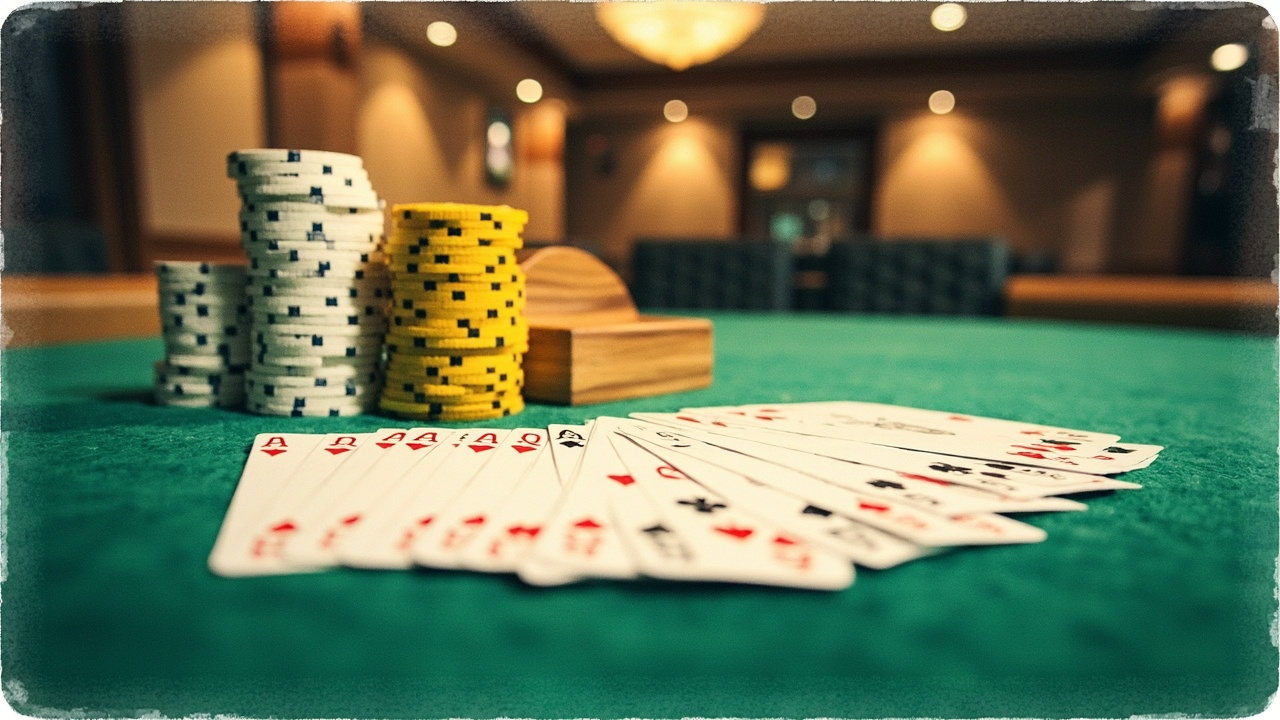
The value structure also explains why baccarat moves so quickly. There is no multi-step strategy to juggle, just two hands and a fixed set of draw rules that the dealer follows without debate. That restraint is a feature, not a limitation, because it keeps the session readable from the first card to the last. When I design a product around a known entertainment brand, I look for the same kind of clean loop: a clear rule set, a predictable rhythm, and enough repetition that a new player can learn by watching one full round. Baccarat delivers that loop without dressing it up.
Reading Hands, Drawing Rules And What They Mean
Once the totals are set, the game decides whether a third card appears, and that decision follows a published chart rather than a dealer’s mood. Player and banker hands each have their own trigger points, which is why the banker side carries a slight built-in edge over time. The chart can look dense at first glance, but it is really just a sequence of if-this-then-that calls that the table applies automatically. I have watched players waste energy trying to outguess the draw, when the real skill is simply knowing that the table will obey the same sequence every time. A delayed Sydney train can feel similar: the timetable is fixed, the wait is irritating, and the only useful move is to stop pretending the schedule is personal.
For a new player, the practical habit is to track the totals, not the drama. A hand that lands on eight versus a hand that lands on six is a plain comparison, and the third-card rules only matter when one side sits at a low total. The values never change mid-hand, which is why baccarat card values explained stays useful even after the first session. If you ever switch between a live table and a screen, the same totals apply, and the same capped maths sits behind every result. That consistency is what lets the game stay readable when the pace picks up.
Why The Values Matter More Than The Hype
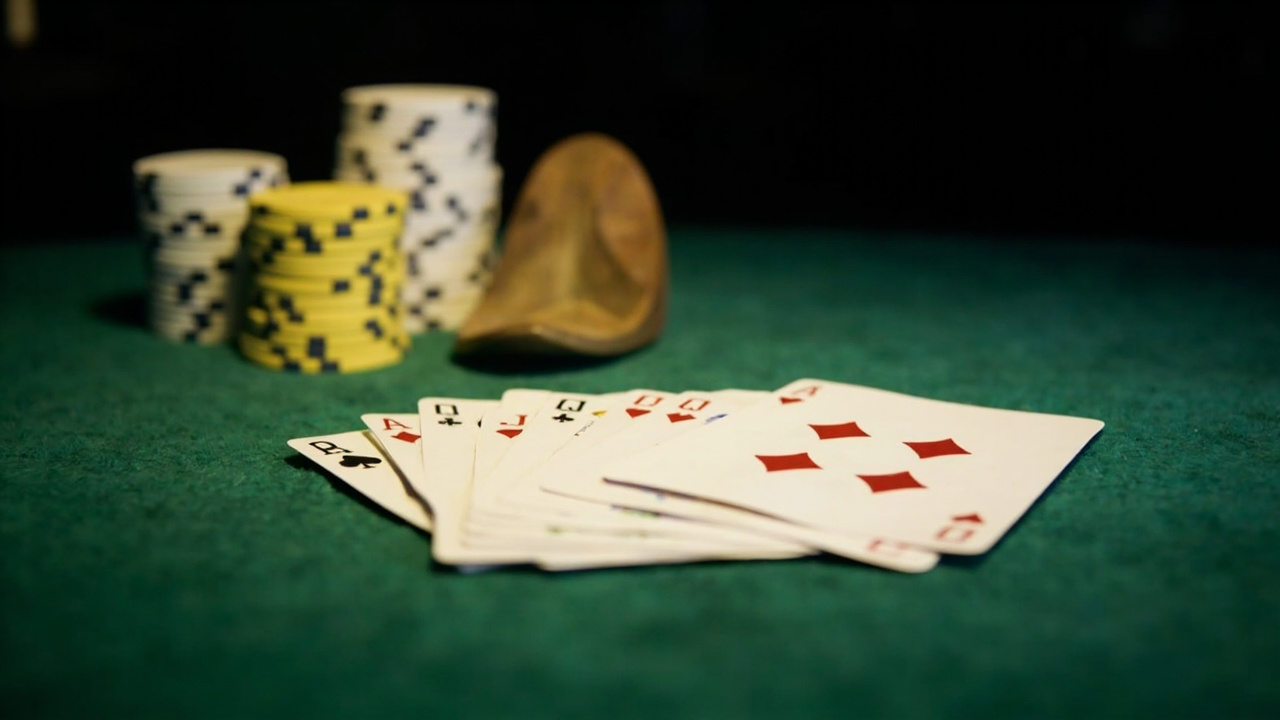
The numbers on the table are small, but they shape every decision a player makes before the cards turn. A hand worth nine is a natural, a hand worth eight is a strong stand, and anything lower invites the draw rules to run their course. That is the part of the game I keep pointing back to when I review a new table layout or a licensed digital version: the values are the anchor, and everything else is window dressing. I have seen plenty of themed products try to dress up a simple mechanic with animation and sound, but the underlying maths still decides the session. When I worked on a licensed entertainment brand, the discipline was the same as it is here – keep the core loop honest, then let the presentation do its job without bending the rules.
The edge built into the banker side comes from those draw rules, not from any secret hand or hidden card. That is worth remembering because it keeps the focus on the values themselves rather than on superstition. A player who understands the cap and the chart can sit a session without inventing patterns that are not there. In a Darwin venue on a warm arvo, the same totals play out as they would anywhere else, and the local staff who hold their RSG certificates are there to keep the game running cleanly, not to rewrite the maths. The ritual of having a flutter on the Cup is a near-universal Aussie habit, but baccarat asks for a quieter kind of attention: watch the totals, accept the draw rules, and let the table do what it does.
Setting Up, Staying Calm And Reading The Pace
Starting out is mostly about learning the rhythm of the table rather than memorising a stack of tactics. A clean session usually begins with a small stake, a clear view of the values, and a willingness to let the draw rules run without interference. The game is built to resolve fast, which is useful when you want to stay present instead of chasing a story the cards never promised. I have designed hundreds of titles that reward the same kind of restraint: a simple loop, a readable outcome, and enough repetition that a player can learn by doing one round at a time. That approach works just as well here, because baccarat card values explained is not a puzzle to solve, it is a rule set to respect.
A few habits make the table easier to read:
- Watch the totals first, then the third-card calls, so the chart feels like a follow-on rather than a mystery.
- Treat the banker edge as a long-run feature of the draw rules, not a short-run promise.
- Keep the stake level steady enough that a single hand does not tilt the whole session.
- Use the same value reading online or on a felt, since the capped totals do not change with the format.
When the pace feels busy, the best move is usually to slow your own read rather than speed up your bets. A Saturday queue at a Bunnings sausage sizzle has a similar patience to it: everyone knows the line moves, the order is fair, and the trick is to wait for your turn instead of pressing at the front. The same calm applies to a baccarat table, where the values are fixed and the draw rules are public. If you are comparing venues or digital lobbies, look for a setup that keeps the table readable and the rules plain, because that is what makes the values actually useful.
Baccarat stays readable because the values are small, fixed and repeated the same way every hand. Once the cap, the zero-value faces and the draw chart make sense, the rest of the session is mostly about pace and discipline. Treat the table as a clean loop, read the totals before you read the noise, and let the game run on its own rules.